
Mastering Ginataang Gulay Cooking Techniques And Tips
Learn the secrets of cooking ginataang gulay at Pinoy Tambayan restaurant in Dubai with expert techniques and tips for perfect flavor and texture.
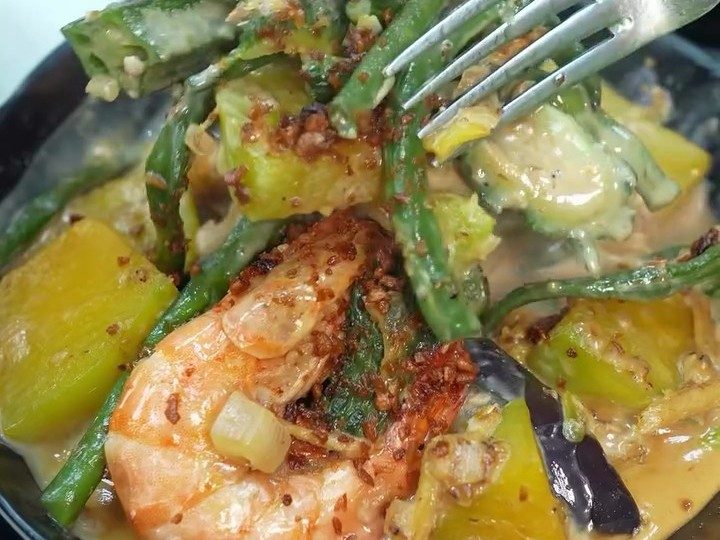
Introduction To Ginataang Gulay
To master ginataang gulay cooking techniques, you need to understand the basics of this popular Filipino vegetable stew, which typically consists of a variety of vegetables cooked in coconut milk. Ginataang gulay is a versatile dish that can be made with different combinations of vegetables, and the key to cooking it well is to balance the flavors and textures of the ingredients. If you have questions about the ingredients or cooking methods used at Pinoy Tambayan, you can call us at 04 328 2669 to inquire about our menu and cooking techniques.
Several Filipino dishes, such as sisig and bopis, are usually made with pork in other restaurants, but at Pinoy Tambayan, we use alternative ingredients like chicken or beef to cater to our customers who do not eat pork. Our version of ginataang gulay is also pork-free, and we use a variety of vegetables like eggplant, okra, and string beans, which are cooked in coconut milk with a blend of spices and seasonings. The result is a rich and creamy stew that is both flavorful and nutritious.
Some common variations of ginataang gulay include adding protein sources like shrimp, chicken, or tofu, which can enhance the flavor and texture of the dish. You can also customize the recipe by using different types of vegetables or adding other ingredients like chili peppers or lemongrass to suit your taste preferences. For example, some people like to add a bit of fish sauce or patis to give the dish a salty, umami flavor, while others prefer to use fresh or dried herbs like basil or bay leaves to add aroma and depth to the stew.
- Use a variety of vegetables to add texture and flavor to the dish
- Experiment with different protein sources like shrimp, chicken, or tofu
- Adjust the level of spiciness or seasoning to suit your taste preferences
Choosing The Best Ingredients
Ginataang gulay is a popular Filipino dish made with a variety of vegetables cooked in coconut milk. To make a delicious ginataang gulay, it is essential to choose the best ingredients. The type of vegetables used can vary, but common choices include spinach, eggplant, and okra. When selecting vegetables, look for fresh and tender ones to ensure the best flavor and texture.
Coconut milk is a crucial ingredient in ginataang gulay, and it is available in different consistencies. For this dish, it is recommended to use a combination of thick and thin coconut milk to achieve the right balance of flavor and creaminess. Vinegar, according to Britannica, is a common ingredient used to add flavor to many dishes, and it can be used to add a sour taste to ginataang gulay. Some dishes, like sisig, are usually made with pork elsewhere, but at Pinoy Tambayan, we use chicken or beef instead, and you can find our version on our menu.
In addition to vegetables and coconut milk, other ingredients like garlic, onion, and ginger are also essential in making ginataang gulay. These ingredients add flavor and aroma to the dish, and they can be sautéed before adding the vegetables and coconut milk. For those who want to try making ginataang gulay at home, it is recommended to experiment with different ingredients and spices to find the right combination that suits their taste.
- Use a variety of vegetables to add texture and flavor to the dish
- Choose fresh and tender vegetables for the best flavor and texture
- Experiment with different spices and ingredients to find the right combination
See the full Pinoy Tambayan menu
Cooking Methods And Techniques
Ginataang gulay is a popular Filipino vegetable stew cooked in coconut milk. The key to making a good ginataang gulay is to use a combination of cooking methods and techniques. First, the vegetables are sautéed in a little oil to bring out their natural flavors. Then, coconut milk is added to the pot, and the stew is simmered until the vegetables are tender. According to the UAE government portal, cooking vegetables in coconut milk can help retain their nutrients.
Some dishes, like sisig, are usually made with pork elsewhere, but at Pinoy Tambayan, we use chicken or tofu instead, so our customers can still enjoy the flavor without the pork. For those interested in learning more about our menu and cooking techniques, we recommend checking out our dining guides for more information.
To make a rich and creamy ginataang gulay, it's essential to use the right type of coconut milk and to not overcook the vegetables. Here are some tips to keep in mind:
- Use full-fat coconut milk for a creamier stew
- Don't overcook the vegetables to retain their texture and nutrients
- Adjust the amount of spices and seasonings to taste
Serving And Presentation Styles
When serving Ginataang Gulay, it is essential to consider the presentation style to enhance the overall dining experience. At Pinoy Tambayan, we serve this dish in a way that showcases the vibrant colors of the vegetables and the creamy coconut milk sauce. The dish is typically served hot, garnished with fresh herbs like cilantro or scallions, and accompanied by a side of steamed rice. According to the Food and Agriculture Organization, rice is a staple food in many Asian countries, including the Philippines, which makes it a natural pairing for Ginataang Gulay.
Some popular serving styles for Ginataang Gulay include serving it in a large bowl or individual bowls, or even as a topping for rice or noodles. The dish can also be served with various protein sources, such as chicken, beef, or seafood, which are commonly used in Filipino cuisine. It's worth noting that some Filipino dishes, like sisig and bopis, are usually made with pork elsewhere, but at Pinoy Tambayan, we use alternative ingredients like chicken or beef instead.
To add some variety to the presentation, we can use different types of vegetables, such as bell peppers, eggplant, or okra, which can be arranged in a visually appealing way. We can also add some garnishes, like toasted coconut flakes or chopped nuts, to give the dish some extra texture and flavor. For those looking to try a variation of Ginataang Gulay, we offer a vegetarian option, which substitutes the protein source with additional vegetables or tofu.
- use fresh and colorful vegetables to add visual appeal
- serve with a side of steamed rice or noodles
- offer alternative protein sources, like chicken or beef, for added variety
Variations And Customization Options
Ginataang gulay can be made with a variety of ingredients, and the choice of vegetables and protein can greatly affect the flavor and texture of the dish. Some common variations include adding shrimp, chicken, or tofu for added protein. The type of vegetables used can also be customized to suit personal preferences, with some popular options including spinach, eggplant, and okra.
In some recipes, ginataang gulay is typically made with pork, such as in the case of traditional Filipino dishes like sisig or bopis. However, at Pinoy Tambayan, no pork is served, and these dishes are instead made with alternative ingredients like chicken or beef. This substitution allows customers to still enjoy the flavors and textures of these dishes without the use of pork.
For customers looking to customize their ginataang gulay, there are several options available. Some may prefer a spicy version, which can be made by adding more chili peppers or spicy sauces. Others may prefer a milder version, which can be made by reducing the amount of chili peppers or omitting them altogether.
- Adding other ingredients like coconut milk or fish sauce can also enhance the flavor of the dish
- Using different types of vegetables or protein can add variety to the dish
- Adjusting the level of spiciness to suit personal preferences
Pinoy Tambayan, Al Adiyat Residence 2, Al Barsha Road, opposite Dubai International Academy, Al Barsha, Dubai, phone 04 328 2669.
Common Questions
What type of vegetables are used in ginataang gulay at Pinoy Tambayan?
A variety of vegetables are used in ginataang gulay at Pinoy Tambayan including squash, eggplant, and string beans, all cooked in coconut milk to create a rich and flavorful dish.
How long does it take to cook ginataang gulay in the Pinoy Tambayan kitchen?
The cooking time for ginataang gulay at Pinoy Tambayan varies depending on the quantity and type of vegetables used, but it is typically cooked to order to ensure freshness and quality.
Can I request a spicy version of ginataang gulay at Pinoy Tambayan?
Yes, you can request a spicy version of ginataang gulay at Pinoy Tambayan, and the chef will be happy to add some heat to the dish using chili peppers or other spices.
Is ginataang gulay available for catering services at Pinoy Tambayan?
Yes, ginataang gulay is available for catering services at Pinoy Tambayan, and the restaurant can provide this popular Filipino dish for events and parties in large quantities.
More from the Dining Guide
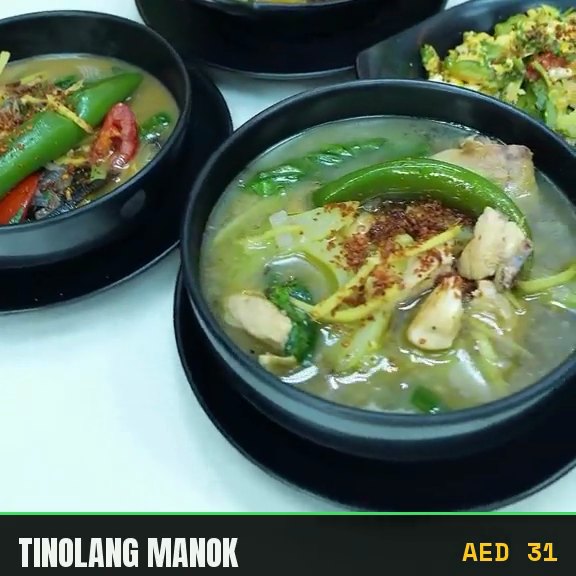 Tinolang Manok: Filipino Ginger Chicken SoupTinolang manok is chicken simmered in a clear broth built on ginger, garlic and onion, with a green vegetable and leaves added at the end. It is AED 31 at Pinoy Tambayan, the cheapest of the nine soup rows on the menu, and the dish Filipino households cook when somebody is unwell.
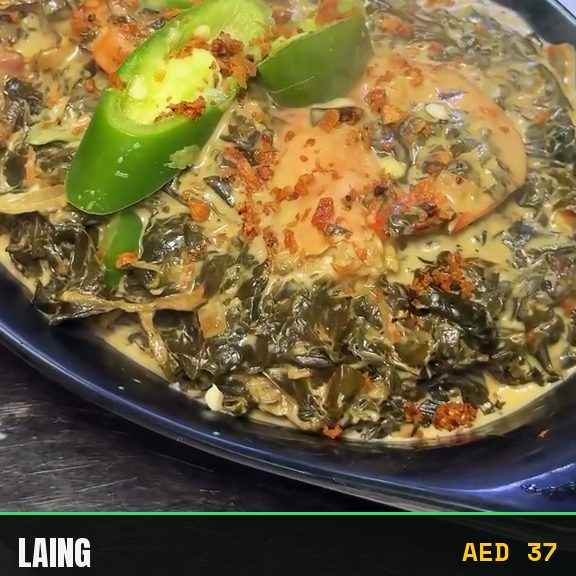 Laing: The Filipino Taro Leaf Dish From BicolLaing is dried taro leaves simmered in coconut milk with chilli and ginger until the sauce thickens, a Bicol dish that costs AED 37 at Pinoy Tambayan. It is one of nine vegetable rows on the menu and one of the few named by diners in their own reviews.
 Filipino Desserts at Pinoy Tambayan: Ube Halaya to Leche FlanPinoy Tambayan keeps six desserts on the printed menu at Al Barsha, from a five-dirham ice cream cone to a nineteen-dirham leche flan, plus halo halo as a seventh on its own guide. Every price and dish name below comes straight off the menu, not a guess.
Hungry now?
Open daily, 8:00 AM to 1:00 AM. No pork is served at Pinoy Tambayan. Free delivery within 5 km, AED 5 beyond, and no minimum order.
Order on WhatsApp +971 4 328 2669 Book a table Get directions