
Kare Kare Traditional Filipino Peanut Stew Overview
Discover the rich flavors of kare kare, a traditional Filipino peanut stew, at Pinoy Tambayan in Dubai, a must try dish for anyone looking to explore Filipino
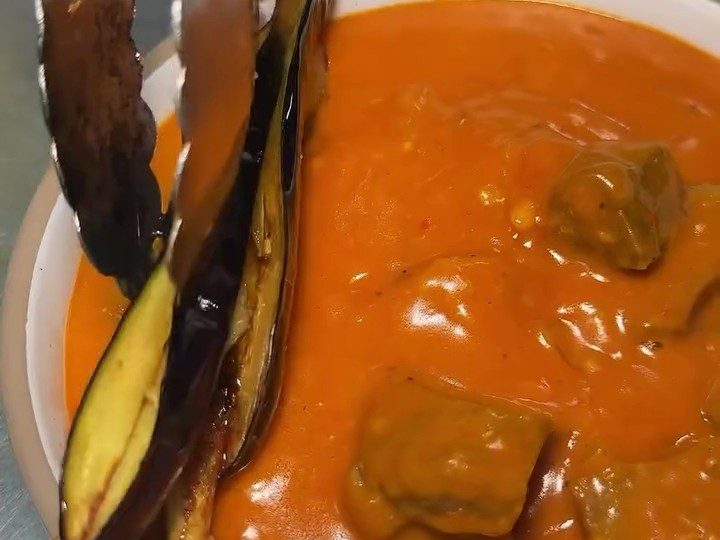
Introduction To Kare Kare
Kare kare is a traditional Filipino peanut stew made with a variety of ingredients, typically including vegetables, seafood or meat, and a thick, savory peanut sauce. The dish is often served with steamed rice and is a popular choice at Pinoy Tambayan, where you can order it by calling 04 328 2669 to inquire about our menu and make a reservation. Kare kare is usually made with oxtail or tripe, which are slow-cooked in the peanut sauce to create a rich and flavorful dish.
At Pinoy Tambayan, we use beef or chicken in our kare kare, as some versions of this dish are usually made with pork, but we do not serve pork at our restaurant. Instead, we substitute it with beef or chicken to create a delicious and authentic Filipino dish. Our kare kare is made with a combination of vegetables, including eggplant, bok choy, and long beans, which are cooked in the peanut sauce to create a hearty and satisfying meal.
Some other Filipino dishes, such as siomai and lumpiang shanghai, are usually made with pork, but at Pinoy Tambayan, we use chicken or beef as a substitute. Our menu offers a variety of options for customers to choose from, including
- vegetable spring rolls
- grilled chicken or beef skewers
- steamed rice and seafood dishes
Ingredients And Preparation
Kare kare is a traditional Filipino peanut stew made with a variety of ingredients, including vegetables, seafood or meat, and a thick peanut sauce. The dish is usually made with oxtail or beef, and sometimes tripe, which are slow cooked in a mixture of peanut sauce, vegetables, and spices. At Pinoy Tambayan, we use beef and vegetables to make our kare kare, and we serve it with steamed rice.
Some Filipino dishes, such as sisig and bopis, are usually made with pork elsewhere, but at Pinoy Tambayan, we substitute pork with beef or chicken to cater to our customers who do not eat pork. Our kare kare recipe is similar to other Filipino stews, such as adobo, which Britannica describes as a method of cooking that involves marinating food in vinegar, soy sauce, and garlic. You can find our kare kare dish on our menu, along with other traditional Filipino dishes.
The preparation of kare kare involves several steps, including cooking the beef and vegetables, making the peanut sauce, and combining all the ingredients together. The peanut sauce is made with ground peanuts, onions, garlic, and spices, and it is cooked until it is thick and creamy. We also add some vegetables, such as eggplant and bok choy, to the dish to give it more flavor and texture.
- beef or oxtail
- peanut sauce
- vegetables, such as eggplant and bok choy
- spices, such as garlic and onions
See the full Pinoy Tambayan menu
Serving And Presentation
Kare kare is typically served in a large bowl, perfect for sharing with family and friends. The traditional Filipino peanut stew is made with a variety of ingredients, including beef or ox tripe, and vegetables like eggplant and bok choy. At Pinoy Tambayan, we use beef in our kare kare, as this dish is usually made with pork elsewhere, but we substitute it with beef to cater to our no-pork policy.
The presentation of kare kare is simple, yet appetizing. The stew is often served with a side of steamed rice, and sometimes with a small serving of bagoong, a type of fermented fish sauce. According to Britannica, vinegar is a common ingredient used in the fermentation process of bagoong, which gives it a distinctive flavor. For more information on our menu items and how they are served, you can check out our dining guides.
In addition to the traditional serving style, kare kare can also be served with other sides, such as grilled vegetables or fried plantains. Some variations of the dish may include other ingredients, like seafood or tofu, for added protein and texture. At Pinoy Tambayan, we offer a range of options to complement our kare kare, including a variety of vegetables and other Filipino dishes.
- beef or ox tripe
- vegetables like eggplant and bok choy
- steamed rice
- bagoong, a type of fermented fish sauce
Flavor Profile And Texture
Kare kare is a traditional Filipino peanut stew that has a rich and savory flavor profile. The dish is typically made with a combination of vegetables, seafood or meat, and a peanut-based sauce. At Pinoy Tambayan, we use beef or seafood as the protein source, as several traditional Filipino dishes are usually made with pork elsewhere, but no pork is served at our restaurant. For example, dishes like tocino and longganisa are commonly made with pork, but we substitute it with beef or chicken to cater to our customers' preferences.
The texture of kare kare is thick and creamy, thanks to the peanut sauce. The sauce is made with ground peanuts, onions, garlic, and other spices, which gives it a smooth and velvety texture. The vegetables and protein sources add a nice contrast in texture, making the dish interesting and engaging to eat. According to the Philippine Department of Tourism, kare kare is one of the most popular Filipino dishes, and its unique flavor profile and texture are a big part of its appeal.
Some of the key ingredients that contribute to the flavor profile of kare kare include:
- peanuts, which add a rich and nutty flavor
- onions and garlic, which add a pungent and savory flavor
- vegetables like eggplant and bok choy, which add a nice contrast in texture and flavor
Overall, the flavor profile and texture of kare kare make it a delicious and satisfying dish that is worth trying. The combination of savory and nutty flavors, along with the thick and creamy texture, makes it a unique and enjoyable eating experience.
Pairing Suggestions And Variations
Kare kare is a traditional Filipino peanut stew that can be paired with various dishes to enhance its flavor. It is usually served with steamed rice, which helps to balance the richness of the peanut sauce. Some people also like to pair it with grilled or fried fish, shrimp, or chicken, as the protein helps to cut the richness of the stew.
In some variations of kare kare, beef or ox tripe is used instead of the usual combination of beef and ox tripe. The beef can be substituted with beef shank or brisket for a tender and flavorful dish. It is worth noting that some Filipino dishes, such as lumpiang shanghai and siomai, are usually made with pork elsewhere, but at Pinoy Tambayan, no pork is served, and these dishes are made with chicken or beef instead.
For those looking to try kare kare with a twist, some variations include adding vegetables like eggplant or okra to the stew, or using different types of nuts like cashews or almonds instead of peanuts. Some popular pairing options include:
- steamed vegetables like broccoli or carrots
- grilled or fried fish like tilapia or salmon
- chicken or beef skewers
Pinoy Tambayan, Al Adiyat Residence 2, Al Barsha Road, opposite Dubai International Academy, Al Barsha, Dubai, phone 04 328 2669.
Common Questions
What is the traditional protein used in Kare Kare dishes?
Traditionally Kare Kare dishes use beef or seafood and sometimes chicken, Pinoy Tambayan offers beef and seafood options.
How spicy is the Kare Kare served at Pinoy Tambayan restaurant?
The Kare Kare at Pinoy Tambayan is mildly spicy and can be adjusted to suit individual taste preferences.
Can I request a vegetarian version of Kare Kare at Pinoy Tambayan?
Yes, Pinoy Tambayan can prepare a vegetarian version of Kare Kare using tofu and vegetables.
What are the common side dishes served with Kare Kare in Dubai?
Common side dishes served with Kare Kare include steamed rice and mixed vegetables, which complement the rich flavor of the peanut stew.
More from the Dining Guide
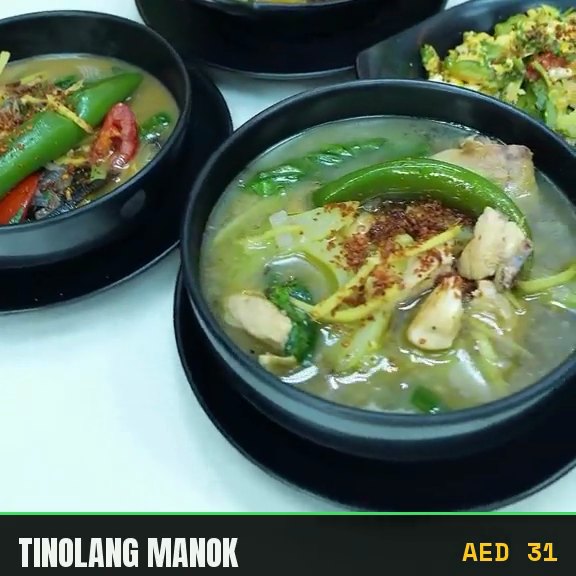 Tinolang Manok: Filipino Ginger Chicken SoupTinolang manok is chicken simmered in a clear broth built on ginger, garlic and onion, with a green vegetable and leaves added at the end. It is AED 31 at Pinoy Tambayan, the cheapest of the nine soup rows on the menu, and the dish Filipino households cook when somebody is unwell.
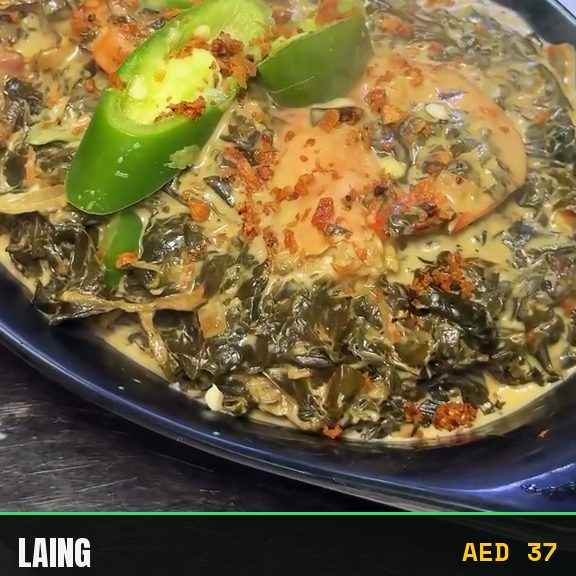 Laing: The Filipino Taro Leaf Dish From BicolLaing is dried taro leaves simmered in coconut milk with chilli and ginger until the sauce thickens, a Bicol dish that costs AED 37 at Pinoy Tambayan. It is one of nine vegetable rows on the menu and one of the few named by diners in their own reviews.
 Filipino Desserts at Pinoy Tambayan: Ube Halaya to Leche FlanPinoy Tambayan keeps six desserts on the printed menu at Al Barsha, from a five-dirham ice cream cone to a nineteen-dirham leche flan, plus halo halo as a seventh on its own guide. Every price and dish name below comes straight off the menu, not a guess.
Hungry now?
Open daily, 8:00 AM to 1:00 AM. No pork is served at Pinoy Tambayan. Free delivery within 5 km, AED 5 beyond, and no minimum order.
Order on WhatsApp +971 4 328 2669 Book a table Get directions