
Cooking Papaitan With Beef Or Carabao Alternative Ingredients
Discover the art of cooking papaitan with beef or carabao at Pinoy Tambayan restaurant in Dubai, a Filipino cuisine favorite. Call 04 328 2669 to book a table
Introduction To Papaitan
Papaitan is a Filipino dish that can be cooked with beef or carabao as alternative ingredients, both of which are available at Pinoy Tambayan in Al Barsha, Dubai, and you can call us at 04 328 2669 to inquire about our menu offerings. Typically, papaitan is made with bitter ingredients, such as bile, which gives the dish its unique flavor. To make papaitan with beef or carabao, you will need to substitute the traditional ingredients with these alternative proteins.
In other parts of the world, dishes like sisig and bopis are usually made with pork, but at Pinoy Tambayan, we use beef or chicken as a substitute, and we apply a similar approach to cooking papaitan. We understand that some of our customers may be familiar with the traditional recipes, but we assure them that our beef or carabao versions are just as flavorful and delicious. Our chefs take the time to prepare each dish with care, using only the freshest ingredients and traditional cooking methods.
For those who are interested in trying papaitan with beef or carabao, we offer a variety of options on our menu, including a choice of sides and desserts. Some popular sides that go well with papaitan include steamed rice, fried plantains, and mixed vegetables. We also have a selection of traditional Filipino desserts, such as leche flan and halo-halo, that pair well with the savory flavors of papaitan. You can ask our staff for recommendations on what to order with your papaitan.
- beef or carabao can be used as protein sources in papaitan
- bitter ingredients like bile are used to give the dish its unique flavor
- traditional cooking methods and fresh ingredients are used to prepare the dish
Choosing Ingredients
When cooking papaitan, it is essential to select the right ingredients to achieve the desired flavor and texture. Traditionally, papaitan is made with bitter ingredients like bile or bitter melon, which gives the dish its unique taste. For the protein, beef or carabao can be used, and at Pinoy Tambayan, we offer both options. However, it is worth noting that some dishes similar to papaitan, like sisig, are usually made with pork elsewhere, but at Pinoy Tambayan, we use beef or chicken instead, as we do not serve pork.
In addition to the protein and bitter ingredients, other essential components of papaitan include onions, garlic, ginger, and liver. According to the Philippine Department of Tourism, these ingredients are commonly used in Filipino cuisine to add depth and richness to dishes. To make papaitan, you will also need some spices and seasonings, such as salt, black pepper, and patis or fish sauce.
To explore more Filipino dishes and their ingredients, you can check out our menu, which features a variety of traditional and modern Filipino cuisine. Some other ingredients you may find in our dishes include vegetables like tomatoes and eggplant, as well as seafood like shrimp and fish. We also offer a range of sauces and condiments, like vinegar and chili sauce, to add extra flavor to your meal.
- beef or carabao meat
- bile or bitter melon
- onions
- garlic
- ginger
- liver
- spices and seasonings like salt, black pepper, and patis or fish sauce
See the full Pinoy Tambayan menu
Cooking Techniques
Cooking papaitan, a bitter stew, requires some skill and attention to detail. The traditional recipe uses beef or carabao, and the cooking technique involves boiling the meat in a mixture of bile and other ingredients to create the distinctive bitter flavor. According to Britannica, adobo, a similar Filipino dish, is typically made with vinegar, soy sauce, and garlic, but papaitan is unique in its use of bile. At Pinoy Tambayan, we use beef as a substitute for carabao, which can be hard to find in Dubai.
When cooking papaitan, it's essential to balance the flavors to avoid an overpowering bitterness. We use a combination of ingredients, including tamarind, onions, and garlic, to create a rich and savory broth. For those looking to try papaitan at home, our chefs recommend checking out our dining guides for tips and recipes. Some dishes, like sisig, are usually made with pork elsewhere, but at Pinoy Tambayan, we use beef or chicken as a substitute, allowing our customers to enjoy the same flavors without the pork.
To achieve the perfect consistency, we use a slow-cooking technique, allowing the meat to simmer in the broth for several hours. This breaks down the connective tissues, making the meat tender and flavorful. We also offer a variety of other Filipino dishes, including tocino and longganisa, which are typically made with pork, but we use beef instead, ensuring that all our customers can enjoy our food, regardless of their dietary preferences.
- Use high-quality ingredients, including fresh beef or carabao, to ensure the best flavor.
- Balance the flavors to avoid an overpowering bitterness.
- Use a slow-cooking technique to break down the connective tissues and make the meat tender.
Timing The Dish
Cooking papaitan is a process that requires patience and attention to detail. The dish is typically cooked for several hours to allow the flavors to meld together and the meat to become tender. At Pinoy Tambayan, we use beef or carabao as alternative ingredients to traditional pork, which is commonly used in other versions of the dish. No pork is served at our restaurant, and we find that beef or carabao provides a similar richness and depth of flavor.
The key to cooking a good papaitan is to cook the meat slowly over low heat. This allows the connective tissues to break down and the meat to become tender and flavorful. We also add a variety of ingredients, including bitter melon, onions, and garlic, to give the dish its distinctive flavor. According to the Food and Agriculture Organization, rice is a staple ingredient in many Filipino dishes, and it is often served alongside papaitan to help balance out the bitter flavors.
Some tips for cooking papaitan include using a heavy pot to distribute the heat evenly, and stirring the dish regularly to prevent the ingredients from burning. It is also important to taste the dish regularly and adjust the seasoning as needed. The following ingredients can be added to enhance the flavor of the dish:
- bitter melon, which gives the dish its distinctive bitter flavor
- onions and garlic, which add a savory flavor
- fish sauce, which adds a salty, umami flavor
By following these tips and using the right ingredients, you can create a delicious and authentic papaitan dish at home. At Pinoy Tambayan, we are committed to serving traditional Filipino dishes made with fresh, high-quality ingredients, and we hope you will enjoy our version of papaitan.
Serving Suggestions
Papaitan is a savory stew that can be served with a variety of side dishes. It is commonly paired with steamed rice, which helps to balance the bitter flavor of the dish. The bitterness of the papaitan can also be balanced by serving it with a side of fresh vegetables or a salad.
Some people also like to serve papaitan with grilled or fried fish, or with other Filipino dishes such as sinigang or tinola. It is worth noting that while papaitan is often made with pork elsewhere, no pork is served at Pinoy Tambayan, and beef or carabao are used instead. This substitution does not affect the flavor of the dish, and it is still a popular choice among customers.
For those looking to try papaitan at home, it can be served with a variety of other dishes, such as lumpia or sinangag. The key is to find a balance between the bitter flavor of the papaitan and the other flavors on the plate. Some other options to consider are:
- grilled chicken or beef
- steamed vegetables
- fried plantains
Papaitan is a versatile dish that can be served in a variety of ways, and its bitter flavor can be balanced by a range of other ingredients. Pinoy Tambayan, Al Adiyat Residence 2, Al Barsha Road, opposite Dubai International Academy, Al Barsha, Dubai, phone 04 328 2669.
Common Questions
Can I request papaitan without traditional ingredients like pork?
Yes, you can request papaitan without pork as Pinoy Tambayan does not serve pork, instead offering beef or carabao as alternative ingredients.
How long does it take to cook papaitan in the Pinoy Tambayan kitchen?
The cooking time for papaitan at Pinoy Tambayan varies depending on the ingredients and method used, but it is prepared fresh in the kitchen.
What are the key factors that decide the cooking time of papaitan?
The key factors that decide the cooking time of papaitan include the type and quantity of ingredients, as well as the desired level of doneness.
Are there any special promotions or discounts for papaitan dishes at Pinoy Tambayan?
Pinoy Tambayan may offer special promotions or discounts for papaitan dishes, it is best to check with the restaurant for current offerings.
More from the Dining Guide
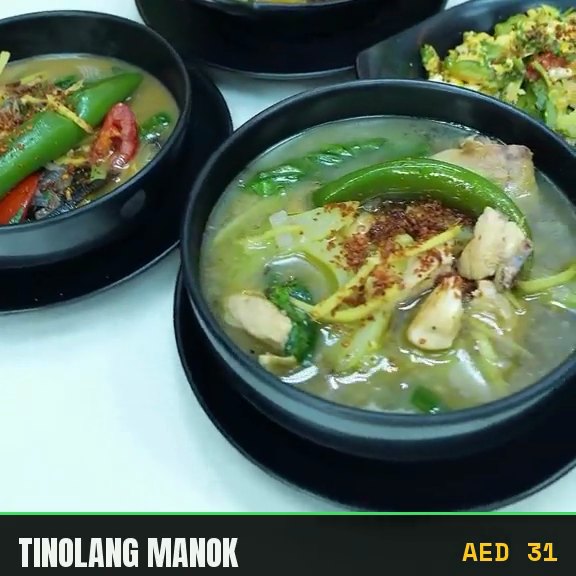 Tinolang Manok: Filipino Ginger Chicken SoupTinolang manok is chicken simmered in a clear broth built on ginger, garlic and onion, with a green vegetable and leaves added at the end. It is AED 31 at Pinoy Tambayan, the cheapest of the nine soup rows on the menu, and the dish Filipino households cook when somebody is unwell.
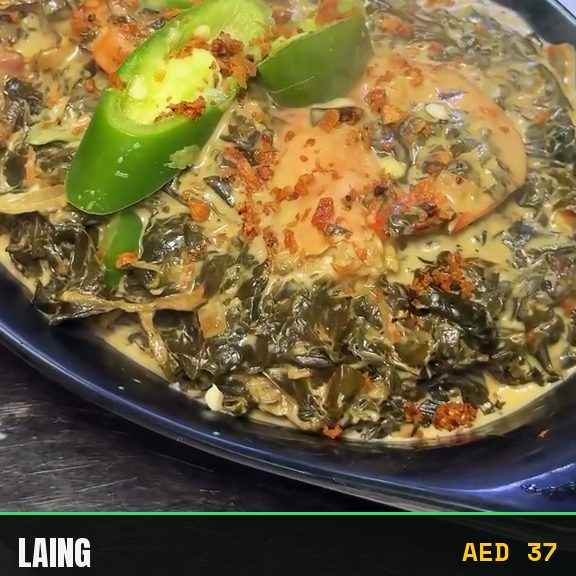 Laing: The Filipino Taro Leaf Dish From BicolLaing is dried taro leaves simmered in coconut milk with chilli and ginger until the sauce thickens, a Bicol dish that costs AED 37 at Pinoy Tambayan. It is one of nine vegetable rows on the menu and one of the few named by diners in their own reviews.
 Filipino Desserts at Pinoy Tambayan: Ube Halaya to Leche FlanPinoy Tambayan keeps six desserts on the printed menu at Al Barsha, from a five-dirham ice cream cone to a nineteen-dirham leche flan, plus halo halo as a seventh on its own guide. Every price and dish name below comes straight off the menu, not a guess.
Hungry now?
Open daily, 9:00 AM to 1:00 AM. No pork is served at Pinoy Tambayan. Free delivery within 5 km, AED 5 beyond, and no minimum order.
Order on WhatsApp +971 4 328 2669 Book a table Get directions